The EU Banned 1,328 Chemicals From Cosmetics. The US Restricts 11.
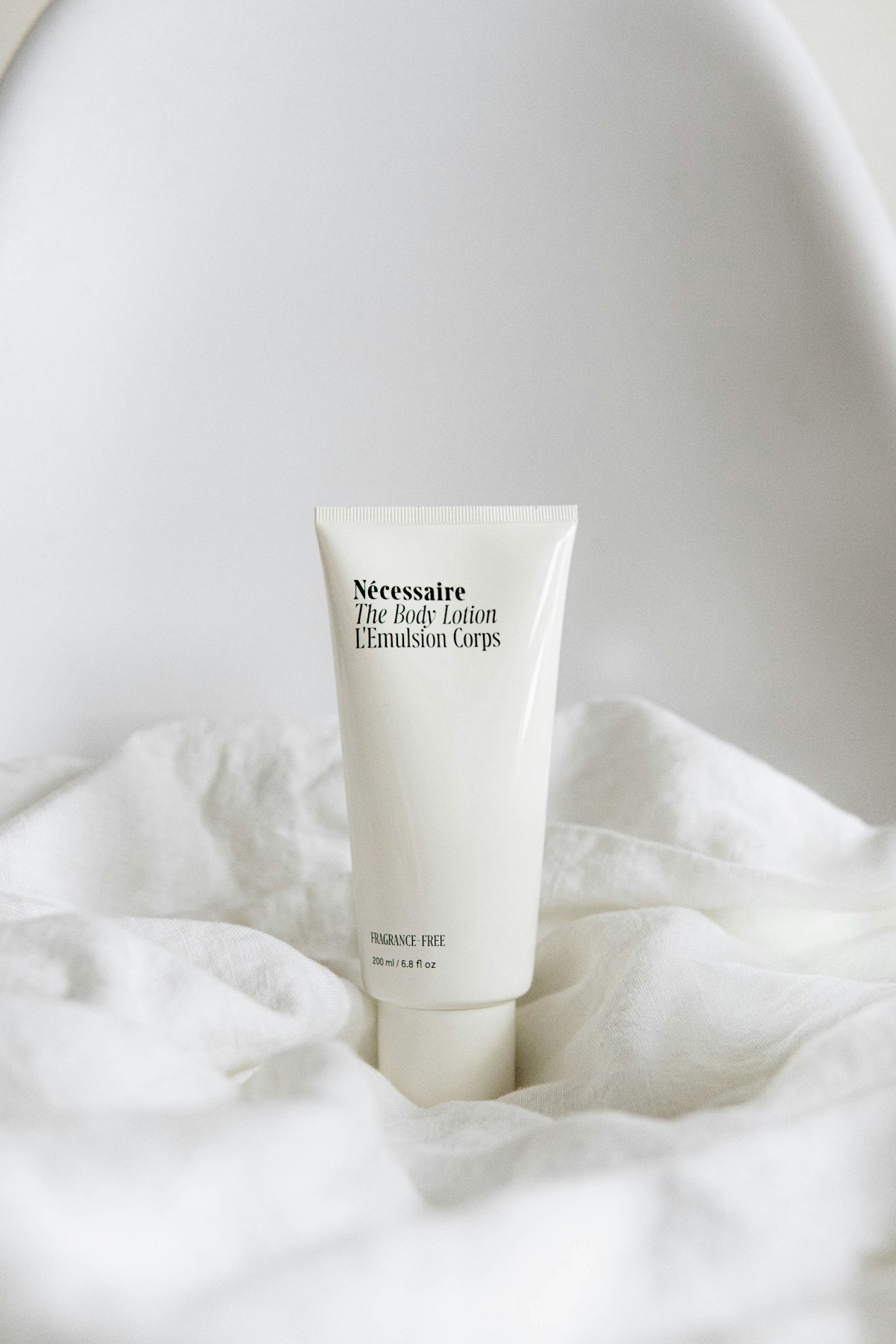
If a cosmetic ingredient is banned in the European Union, there's a reasonable chance it's still legal to sell in an American product. The EU's cosmetics regulation prohibits or restricts more than 1,300 substances outright. The US federal system, by contrast, has explicitly banned or restricted around a dozen. Same shelves, same-looking bottles, very different rulebooks behind them.
Why the numbers are so far apart
The EU works from a precautionary principle: a substance can be restricted based on suspected risk, before harm is definitively proven in humans. The US system leans the other way. The FDA doesn't pre-approve cosmetic ingredients before they reach shelves, and can only intervene after a product is shown to be adulterated or misbranded. That difference in starting posture, more than any single scientific dispute, is what accounts for most of the gap.
Where the difference actually shows up
In practice this shows up in things like certain formaldehyde-releasing preservatives, some UV filters, and a handful of fragrance-related compounds that are restricted or banned in the EU but still permitted in US formulations. It doesn't mean every US product on the shelf contains one of them - many don't. It means the label alone can't tell you which side of that gap a given bottle falls on.
What this means for you
This isn't a call to panic about anything with an ingredient list. It's a case for having something that checks the actual formulation against actual regulatory data, rather than relying on marketing language like "clean" or "natural" that carries no legal weight in either jurisdiction. That's the exact gap a Clean Score is built to close: every flag on a Curaline scan names the ingredient and cites which authority - EU CosIng, ECHA, US NTP, or others - has raised a concern about it, so you can see the actual regulatory picture instead of a marketing one.